
Is Your Supply Chain Prepared for Winter Weather Disruptions?
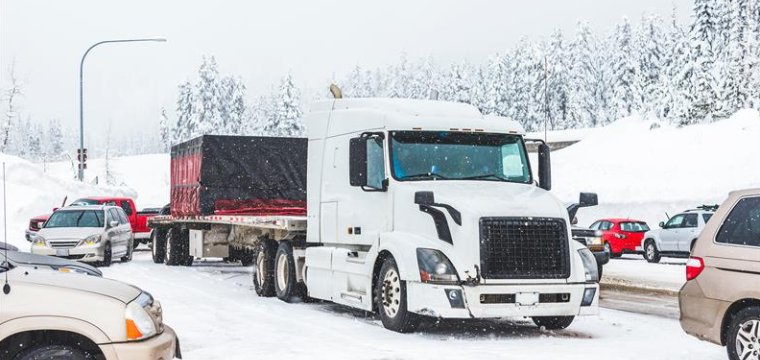
In light of recent winter weather events that have impacted nearly the entire U.S., many companies have experienced supply chain delays that have resulted in product stockouts and late deliveries to customers, even in parts of the country that aren’t typically exposed to harsh conditions. With the potential for weather to cause delays across roadways, ports, railways and even air cargo, preparing for the impacts should no longer occur as an exception; it should be viewed as a recurring operational risk that companies need to prepare for in order to maintain supply chain stability, regardless of the conditions.
The Disruptions Extend Beyond Transport
While roadways are often where weather impacts are most immediately felt, Mother Nature can wreak havoc on nearly every component of a supply chain. Warehouses and distribution centers can also experience delays due to transportation bottlenecks. Panic buying can lead to product shortages and inventory stockouts, and safety concerns for workers can arise from both unsafe travel and icy working conditions.
Cold weather can also cause heavy equipment failures. Railways and air transport can also be affected by equipment malfunctions and even immobilization due to ice, in addition to delays caused by disruptions at seaports, with road closures further delaying operations in extreme conditions.
In events like these, shippers may feel the effects in a number of ways, from cost increases to service-level failures due to tightened capacity as they look to move goods through the supply chain when capacity is scarce. With the potential for disruption at every level, proactive planning is essential to weathering the storm.
Getting Ahead of Disruption
In addition to the various elements of the supply chain that must be managed, weather disruptions can also create negative customer experiences, particularly when it comes to time-sensitive deliveries. Missed delivery dates can result in disappointment for customers, leading to lost business and a higher likelihood of returns.
The financial impact of unplanned disruptions must also be accounted for. Along with lower revenue due to returned items and the costs incurred from reverse logistics, having less capacity available to move freight due to winter weather conditions also leads to failed routing guides, with shippers often having to pay higher rates for decreased levels of service just to keep goods moving.
Key Strategies to Weather-Proof Your Supply Chain
While winter weather will always pose intermittent risks for most supply chains, companies that plan ahead and diversify their partner and carrier networks will be best positioned to gain competitive advantage during these periods. Before a weather event catches your company off guard, review the following checklist to make sure your supply chain is prepared to handle the unexpected.
- Diversify warehousing locations to include areas that are less prone to weather events to minimize the risk of operational failures when it comes to distribution and fulfillment.
- Utilize a multi-node distribution strategy to avoid overreliance on a single mode of transportation, and ensure backup transportation options are available if needed.
- Conduct contingency planning. This should include ensuring that alternate routes are mapped and building carrier redundancy by having backup partners in place that can step in if winter weather poses the risk of delays.
- Work with an experienced 3PL partner to create models and frameworks to follow so that teams know what to do if inclement weather strikes. This should entail having clear protocols in place for decision-making, communicating with all stakeholders, identifying the areas that pose the greatest risk, creating action plans and developing backup strategies to ensure business continuity.
- Plan for inventory adjustments based on anticipated demand in advance of seasonal weather patterns, making sure to note which SKUs may run low and how to ensure ample quantities to prioritize them during weather disruptions.
- Ensure access to real-time data, weather monitoring tools, automated alerts and exception management tools to gain greater shipment visibility. This can help companies be alerted as soon as a potential threat is identified and assist with exception management.
From Reactive to Resilient
While winter weather events can wreak havoc on supply chains, the simple truth is that disruption comes in many forms, from weather events to geopolitical events, freight fraud and more. By working with a trusted 3PL partner that is experienced in managing disruptions, companies can build a first line of defense by leveraging their scalability, data and carrier networks to gain peace of mind that their supply chains will continue moving, even when the unexpected occurs. With broader warehousing networks, trusted carrier partners and the ability to respond to any scenario that may occur, the right partner can help turn disruption management into a value add by creating greater resilience, flexibility and reliability when it matters most.
To assess your company’s current risk exposure and learn how to create more weather-proof supply chain, contact the experts at NXTPoint Logistics to schedule a consultation.