Why Geopolitical Instability Is Rewriting Fuel Strategies for Shippers
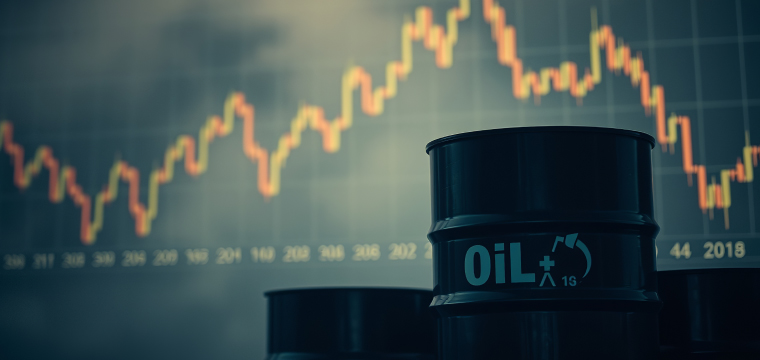
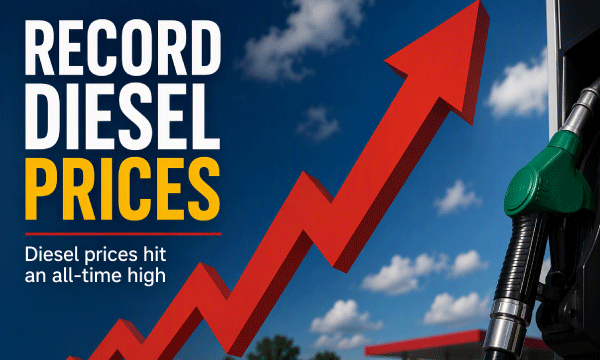
With geopolitical tensions high between the United States and key global energy regions like Venezuela and Iran, businesses and consumers alike are quickly feeling the impacts within the oil and fuel markets. As conflicts like these create immediate barriers to the distribution of oil globally, costs have the potential to increase exponentially, making fuel cost volatility a critical logistics challenge for shippers and carriers to overcome.
Shippers who understand these dynamics and treat fuel costs as a constantly shifting component in their supply chains versus a line-item expense are best positioned to minimize the repercussions on their bottom line when geopolitical tensions rise. Through proactive forecasting, strategic partnerships and careful management of their operations, it is possible to minimize the risk, cost and service level impacts that often emerge during difficult times.
How Geopolitical Events Disrupt Global Fuel Markets
As the cost of oil continues to fluctuate on a day-to-day basis, it’s important to consider that a number of factors lead to price bumps at the pump as a result of global tensions. Conflicts and sanctions placed on countries producing oil may physically impact or restrict their ability to export it, which limits supply and can drive up prices. Affected shipping lanes and chokepoints like the Strait of Hormuz, which is currently closed to trade due to conflict, also physically prevent shipments of oil from reaching their targeted destinations.
Oil also has a unique supply chain of its own that is especially vulnerable to geopolitical disruptions. While countries may drill for oil in one location, it is often transported and refined far from its source — even across continents. Oil that originates in the Middle East is no exception. Refineries are often costly, making it much less expensive to ship crude oil than to build and manage their own refineries. However, this adds another step in an already complex supply chain where crude oil must be transported for refining before it is processed and finally distributed to its final destination.
When considering the complexity of oil production, refining and distribution, markets and prices often react immediately, even before actual disruptions begin. As the impacts take hold, shipping lanes or canals may be blocked, causing them to be re-routed, which results in shipping delays and increased costs. This is further complicated by different processing techniques that must be used for gasoline, diesel and jet fuel, all of which impact multimodal freight transportation and supply chains globally.
The Downstream Impact on Supply Chains
Fuel volatility ripples through every facet of the supply chain, but shippers likely feel the pain most when it comes to transportation capacity and carrier pricing. When gas prices increase, spot rates rise as well, and carriers such as FedEx, UPS and USPS tend to add fuel surcharges on top of their base contract rates to cover the discrepancy, even without renegotiations taking place. Some of these surcharges are time-limited increases, as is in the case of the USPS, and can occur across truckload, LTL, intermodal, ocean and air transport. If high prices persist, the base rates may also increase when contracts are renegotiated. As a result, shippers may opt to diversify their modes of freight transport to achieve better rates. However, as any particular mode sees elevated volume, tightened capacity across those modes may drive up prices as well.
While shippers using a single mode of transportation may be most exposed to rate increases due to elevated fuel costs, the reality is that every player in the supply chain feels the effects. Budget uncertainty, tighter margins and increased risk of service disruptions all come into play across the supply chain due to geopolitical unrest. In extreme situations, these cost increases may even trickle down to the end consumer.
Staying Competitive Amidst Volatility
While it’s impossible to completely avoid the increased fuel costs that often come along with geopolitical tensions, a few key tips can help shippers brace against the most detrimental impacts.
- Improve fuel cost visibility. Working with carriers to understand how they structure surcharges and what factors may trigger them to be implemented can help shippers avoid being caught off guard by unexpected increases. Structuring finances to be able to absorb those increases can also help to ensure sufficient budget is allocated to cover these events when they occur.
- Diversify transportation strategies. Trucking may be among the most common and efficient modes of transport, but it is often not the most cost effective, and fuel cost increases can quickly compound when it is used as the primary method. Utilizing rail/intermodal can help to mitigate costs at scale and should be considered in conjunction with the most common routes that need to be run to determine the appropriate balance of cost and efficiency.
- Re-evaluate network design. Minimizing the distance between distribution centers and the end customer can help to reduce transit times and fuel costs. By understanding where inventory is positioned relative to higher customer concentrations and shifting that inventory to a nearby location, shippers can avoid long-haul routes and offset exposure to high fuel surcharges.
- Shift from reactive to proactive planning. If a shipper normally pays $2,000 to transport a load on a given lane and diesel prices increase by 20 percent, then surcharges may result in that same load costing $2,400. While the increase may be manageable at the individual shipment level, managing this level of increase at scale becomes much more difficult. Identifying lanes that may be most at risk, finding alternate transport modes and factoring in potential increases while budgeting can help to offset the burden.
A True Partner in Navigating Volatility
Oil is a critical component of a deeply interconnected global supply chain, and geopolitical tensions don’t simply affect where oil is drilled. The impacts ripple through refining hubs, shipping routes and distribution strategies worldwide. The elevated fuel costs that result don’t just raise prices; they also force companies to rethink their routing strategies across modes and lanes.
At NXTPoint Logistics, we specialize in helping shippers optimize their networks and plan for the unexpected while providing strategic guidance during periods of disruption. Thanks to our dedicated team of experts and close relationships with our trusted network of carrier partners, our customers don’t just benefit from a logistics provider — they gain clarity, flexibility, resilience and greater overall control over their supply chains by staying ahead of disruptions rather than reacting to them.
Geopolitical events will always pose a threat to supply chains, but companies don’t have to navigate the uncertainty alone. With proper planning and risk mitigation strategies in place, companies can protect their margins and build more flexible, resilient supply chains.
If today’s disruptions are impacting your operations and eroding your margins, it may be time to explore how a stronger partnership can support your company’s long-term goals. To explore options with our team, click here to connect with our experts.