Demurrage in Freight: How Container Type Shapes Cost, Risk and Strategy
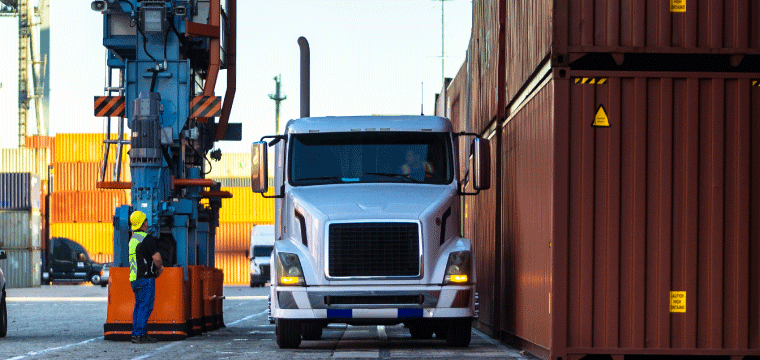
In global logistics, port demurrage — or the fee charged when a container remains at the port or terminal beyond the allotted free time — is often treated as a single, uniform charge. Typically assessed by the ocean carrier or terminal operator, demurrage fees are designed to prevent congestion at ports or terminals. Unlike street detention, which occurs when a shipping container is not returned to a shipping terminal on time so that it can be reused, port demurrage occurs when a container remains at the terminal beyond the time allowed by the port.
While the concept is simple enough, the factors that influence demurrage are not. In reality, the type of container used can significantly influence how demurrage is triggered, how quickly it accumulates and how costly it becomes.
Below, we break down the most common types of containers used in freight, from standard dry boxes to specialized reefers, tanks and flat racks. Each of these container types carries unique operational requirements, and those requirements directly affect demurrage exposure. By understanding the nuances, shippers, freight forwarders and supply chain managers can work to minimize avoidable fees while keeping cargo flowing efficiently.
Types of Demurrage by Container Category
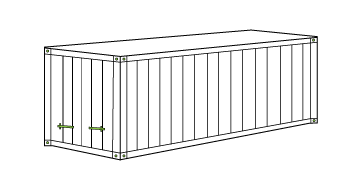
1. Dry Containers (General Purpose Containers)
Dry containers are the most common equipment used in global freight and are used to move everything from consumer goods to industrial components. Because they are standardized and widely available, demurrage on dry containers tends to follow predictable rules and timelines. Free time is typically consistent, and the main cause of charges is not equipment complexity, but operational delays such as customs clearance, documentation issues or missed pickup appointments. While dry container demurrage is often the most avoidable, it still frequently occurs when shippers underestimate port congestion or fail to align inland transportation with discharge schedules.
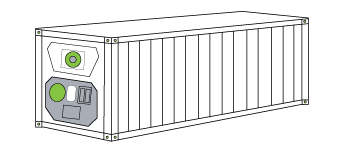
2. Refrigerated Containers (Reefers)
Reefer containers add a layer of urgency that increases the risk for demurrage. These units require continuous electrical power to maintain temperature-sensitive cargo, and ports often impose shorter free time windows due to the cost and complexity of maintaining them. Demurrage can accumulate quickly if there are delays in arranging pickup, securing refrigerated warehouse space or clearing customs for perishable goods. In many cases, the financial impact of demurrage is overshadowed by the risk of cargo spoilage, making timely coordination and proactive planning essential.
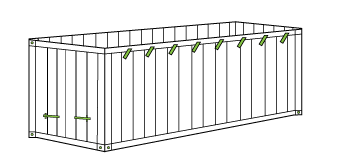
3. Open Top Containers
Open top containers are designed for cargo that cannot be loaded through standard doors, such as oversized machinery or construction materials. Because cargo is loaded from above using cranes or other specialized equipment, the handling process is inherently more complex and time-consuming. This additional complexity often translates into longer dwell times at terminal facilities, increasing exposure to demurrage. Delays are commonly caused by equipment availability constraints, yard congestion or coordination issues between the recipient and transport providers, all of which can extend container stays beyond free time and increase the potential for demurrage.
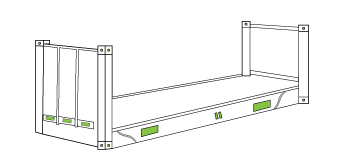
4. Flat Rack Containers
Flat rack containers are used for heavy, oversized or irregularly shaped cargo that requires open sides or collapsible ends for loading. These shipments are often tied to project logistics, where timing and coordination play a critical role. Demurrage risk is particularly high because handling typically requires specialized lifting equipment, and terminals may have limited capacity for storing such cargo. Delays in acquiring permits, regulatory approvals or heavy-lift resources can easily push these containers past their free time, especially when multiple stakeholders are involved in the supply chain.
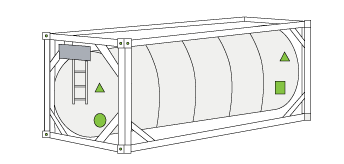
5. Tank Containers
Tank containers are used for transporting liquids, gases and hazardous materials, and they operate under strict regulatory oversight. This compliance environment can slow down processing, as shipments may be subject to inspections, certifications or additional documentation requirements. Demurrage on tank containers is often driven by these regulatory delays, as well as the need for specialized cleaning or repositioning before they can be used again. Since not all terminals or inland facilities are equipped to handle tank units efficiently, limited infrastructure can further contribute to extended dwell times and increased charges.
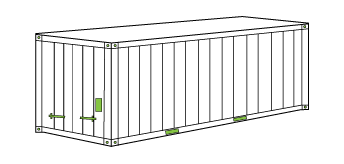
6. Insulated Containers
Insulated containers are designed to maintain a stable internal temperature without active refrigeration, making them suitable for cargo that requires protection from extreme conditions but not continuous cooling. While they do not carry the same urgency as reefers, they still require careful timing to avoid demurrage. Delays typically arise when there is a misalignment between container arrival and pickup scheduling, or when destination facilities have limited capacity for handling temperature-sensitive goods. These containers sit in a middle ground where demurrage risk depends heavily on coordination rather than technical constraints.
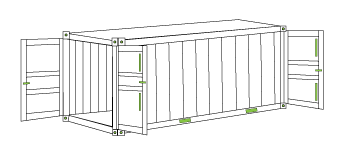
7. Double Door Containers (Tunnel Containers)
Double door containers, also known as tunnel containers, are equipped with doors on both ends to facilitate faster loading and unloading. This design can reduce handling time and improve operational efficiency, but it does not eliminate demurrage risk. In practice, these containers are often used in high-volume environments, where congestion and scheduling challenges are common. Demurrage may still occur if the terminal can’t move containers efficiently or if transport providers are unable to align pickup timing with container availability, particularly during peak shipping periods.
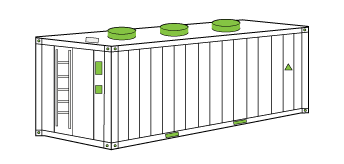
8. Bulk Containers
Bulk containers are used for loose, unpackaged goods such as grains that require specialized handling facilities. Because only certain ports and terminals are equipped to handle bulk cargo efficiently, demurrage can become a function of infrastructure availability rather than shipper performance. Extended dwell times often result from delays in securing the proper equipment, limited storage capacity at destination facilities, or slow transfer processes to inland networks. These constraints make bulk container demurrage particularly sensitive to capacity bottlenecks within the supply chain.
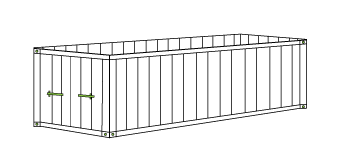
9. Half-Height Containers
Half-height containers are specifically designed for dense, heavy cargo and are commonly used in industries such as mining and construction. Their reduced height allows for easier loading of high-density materials, but the weight and handling requirements can create logistical challenges. Demurrage risk is often tied to the availability of specialized equipment capable of moving heavy loads, as well as port policies that may prioritize standard containers over more complex shipments. When infrastructure or coordination falls short, these containers can quickly exceed their free time allowances.
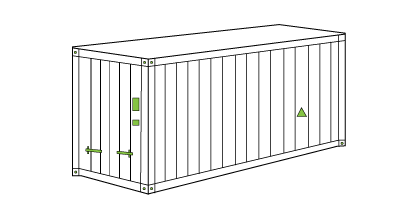
10. High Cube Containers
High cube containers offer increased vertical capacity compared to standard dry containers, making them ideal for bulky but lightweight goods. While they generally follow similar demurrage rules to dry containers, their size can introduce additional challenges, particularly in congested terminals where stacking space is limited. During peak seasons, high cubes are more likely to experience delays due to yard optimization processes and high freight volumes. As a result, demurrage risk often increases not because of the cargo itself, but because of the broader capacity constraints affecting container flow.
Practical Steps to Reduce Demurrage Across All Container Types
In short, demurrage is not a one-size-fits-all fee. Each container type introduces specific operational risks due to factors like time sensitivity, handling complexity, and infrastructure and processing requirements, all of which can lead to additional fees. However, by planning ahead for the variables that a company can control, they can reduce their risk for demurrage.
The following best practices can help companies mitigate demurrage exposure:
- Complete customs documentation ahead of shipment arrival
- Secure terminal appointments early, especially during peak season
- Understand free time policies specific to each carrier and container type
- Build buffer time into schedules for specialized cargo
While demurrage can’t always be avoided, these steps can go a long way in helping companies reduce risk and protect their bottom line.
NXTPoint Logistics helps companies anticipate risks, align timing and keep cargo moving to avoid unnecessary fees. Contact our experts today to discuss how we can help your company reduce demurrage exposure.