Is Your Warehouse Ready for Peak Season?
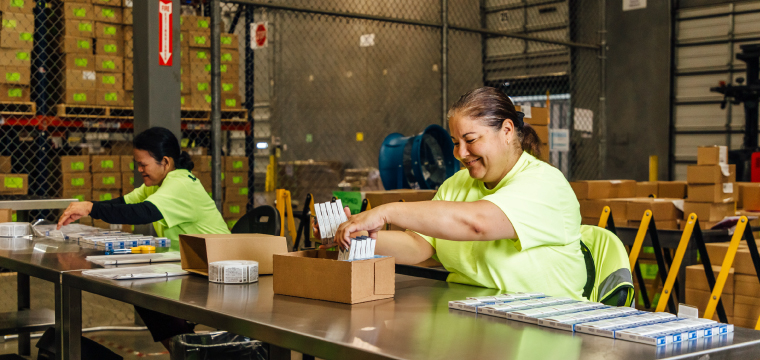
Peak season is nearly upon us, bringing ample opportunities and risks for shippers and their supply chains, especially when it comes to their 3PL warehousing strategies. With consumer spending leading to increased order volumes, warehouse operations, labor resources, inventory management and transportation networks can quickly become strained when trying to meet the additional demand.
Businesses that wait until demand spikes are often forced into reactive decision-making, with limited resources available to bridge the gap once peak season arrives. However, a proactive assessment of warehouse readiness can help companies determine the most important areas to evaluate before it’s too late.
Below we’ve compiled the top questions to consider when evaluating your warehouse strategies as we approach peak season. We hope you find it helpful in identifying potential gaps so you can make adjustments before demand begins to shift.
1. Do you have the right inventory in the right place?
Having ample inventory available and strategically located to meet consumer demand is particularly critical during peak season. Reviewing historical sales trends and data can help companies accurately predict how much of a given product they will need and allow them to reposition slow-moving items that may be taking over valuable warehouse space. Strategically positioning inventory in warehouses near areas with high concentrations of customers can also help to reduce transit times and transportation costs while meeting customer expectations for timely shipping.
2. Can your warehouse handle increased volume?
Once you determine that you have plenty of inventory available in the proper locations, it’s time to evaluate the current storage capacity and capabilities of your warehousing locations. Do you have ample space available? Can the pick, pack and ship processes that are in place scale to meet seasonal volume spikes? Service and quick order fulfillment are essential during peak season, so working to identify potential bottlenecks before they impact service levels can help to prevent issues from the start. If your current 3PL isn’t able to scale to meet the additional demand, consider securing flexible warehouse space through a reliable 3PL to accommodate fluctuating demand and fulfillment.
3. Is your labor strategy ready?
With increased order volume, warehouses need to be properly staffed in advance of peak season to ensure that orders continue to be fulfilled seamlessly. Working with an experienced 3PL partner with access to additional labor and operational support can remove the burden of direct hiring while ensuring that staff members are trained in all necessary processes.
4. Are your systems providing the visibility you need?
Data from the upcoming peak season will be essential for next year’s planning, so it’s critical to ensure you have access to reporting from warehouse management systems (WMS) for insights into order volume, stock levels, inventory management, order processing times, tracking and more. This level of visibility can not only help make faster, more informed decisions during periods of high demand, but also provide valuable insights to help when planning for next year.
5. Have you evaluated your transportation plan?
Warehousing and transportation go hand-in-hand in terms of importance during peak season. Delays in either process can lead to missed delivery timelines, resulting in frustrated customers and higher return rates. That’s why it’s critical to review carrier capacity and shipping strategies in advance to ensure warehousing and transportation strategies are aligned to prevent unnecessary disruptions and delays.
6. Do you have contingency plans in place?
When planning ahead for a successful peak season, it’s important to remember that demand forecasts aren’t always accurate. Unexpected spikes, labor shortages, inventory issues or transportation disruptions can quickly thwart even the best made plans. To prevent these issues from impacting the customer experience, businesses should work to identify backup solutions before they are needed. Working with a scalable logistics partner can help create and execute contingency plans that keep 3PL fulfillment running smoothly and customers satisfied, even when unexpected disruptions occur.
The Key to a Smoother Peak Season
Peak season readiness extends far beyond simply increasing inventory levels or securing additional warehouse space. Businesses that consistently meet customer expectations during periods of high demand take a comprehensive approach, evaluating inventory positioning, warehouse capacity, labor availability, technology, transportation networks, 3PL fulfillment and risk management strategies well before volumes begin to rise. The earlier organizations start planning, the more options they have to address potential challenges, build flexibility into their supply chains and avoid costly disruptions. By partnering with an experienced 3PL and taking a proactive approach to preparation, businesses can navigate peak season with greater confidence while maintaining the service levels their customers expect.
NXTPoint Logistics helps businesses prepare for peak season with scalable warehousing, inventory visibility, order fulfillment, transportation management and end-to-end supply chain support designed to meet changing demand. To learn how we can help scale your supply chain, click here to connect with our experts.