Tariffs, Trade Uncertainty and the Growing Importance of Supply Chain Resilience
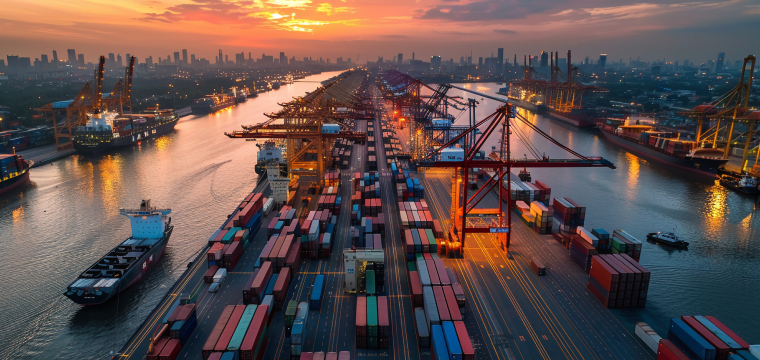
Trade uncertainty continues to create a challenging environment for shippers globally. While the recent Section 122 tariffs that were imposed by the Trump administration were deemed unconstitutional by the U.S. Supreme Court, they were allowed to remain in place until midnight on July 24, 2026, when they would have expired. However, on July 23, the administration enacted a new round of tariffs on 60 trading partners under Section 301 of the Trade Act of 1974, which imposes additional fees on countries that do not ban the import of items that are produced with forced labor. As of this writing, 25 states are suing the administration under the belief that these tariffs are also unlawful.
While it is important for companies to have short-term responses to policy changes that greatly impact their bottom line, reacting to every situation that emerges can result in greater risks and inefficiencies that will not be beneficial in the long term. That’s why leading companies are focusing less on individual tariff responses and more on long-term resilience by being prepared for shifts before they occur.
What It Means to Have a Resilient Supply Chain
Supply chain companies have faced new levels of uncertainty over the last two years. While tariffs are a major consideration for most companies, they are only a small piece of a larger global puzzle.
In addition to tariffs, companies are facing a number of geopolitical risks, capacity fluctuations and changing customer demand, all of which present unique challenges. Reacting to these challenges individually not only increases complexity, but it may also lead to higher costs in the long term. Reactive strategies also often result in companies repeating the same behaviors after every disruption rather than building strategies that enable them to more easily weather the storm.
When it comes to resiliency, it’s not just about being able to respond faster. Companies must also have a deep understanding of their unique risks, vulnerabilities and how to best protect against disruptions before they occur.
Better Decision-Making Requires Better Visibility
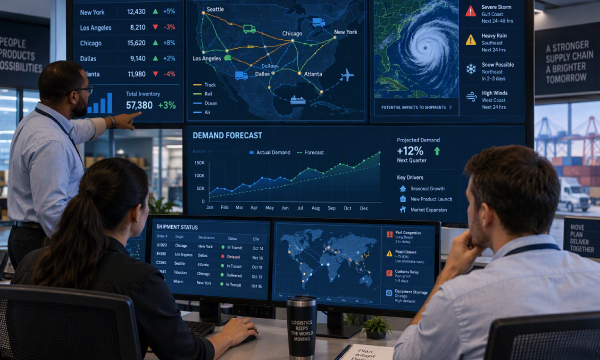
Visibility gives companies the ability to better understand where their greatest supply chain strengths and weaknesses are. In order to gain visibility, however, companies need to have confidence in their supply chain data. This includes market data about current conditions as well as historical company data to understand trends from the past and where improvements can be made. By understanding where the greatest risks are and planning for them proactively, companies can be better positioned to adapt quickly while protecting customer service and profitability.
This also inherently allows companies to become more flexible rather than having rigid plans and processes in place. Because change is the only constant when it comes to supply chains, companies that have flexibility built into their strategies also tend to have more options available when market conditions change, leaving them less exposed to risk and better positioned to navigate uncertainty.
As Complexity Grows, Strategic Partnerships Matter More Than Ever
Amid all of the aforementioned uncertainty, complexity for supply chain leaders is further compounded by the fact that they are being asked to do more with less. They are expected to drive growth, reduce costs and improve resilience with limited internal resources. This reality is prompting many organizations to look beyond transactional logistics support and seek strategic partners that can help them navigate change more effectively.
Working with a partner that has access to broader market insights can give companies additional leverage in adapting to changing conditions, creating greater flexibility as they grow and scale. The right partner can also provide added support during times of disruption and uncertainty, allowing them to remain focused on their core business while improving supply chain resilience.
While the most recent tariffs are the latest in a long line of unexpected disruptions, the supply chain industry is no stranger to volatility, and the companies who make resilience a long-term priority will be best positioned to weather the uncertainty. With the right partner in place, businesses can gain the visibility, flexibility and support needed to adapt confidently to change and keep moving forward, regardless of what comes next.
As supply chains continue to evolve, having the right partner can make all the difference. Connect with the experts at NXTPoint Logistics to learn how a flexible, scalable logistics strategy can help your business navigate uncertainty and stay ahead of change.