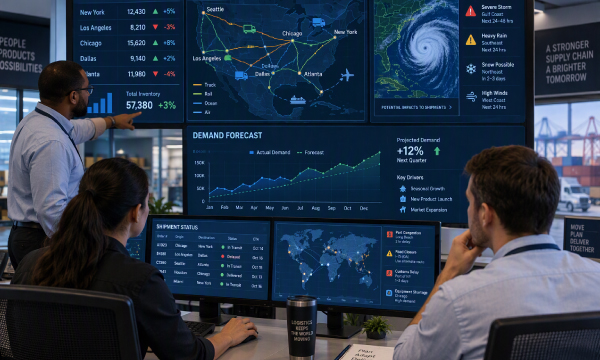
Building a More Resilient Supply Chain Through Global Network Design
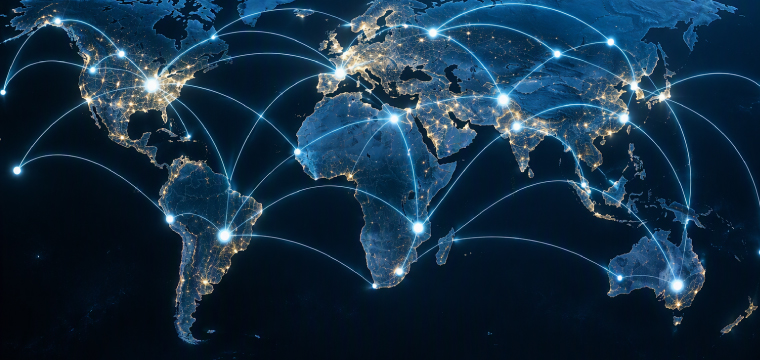
Global supply chains face a steady stream of disruptions, from port congestion and labor shortages to shifting consumer demand and geopolitical uncertainty. While many of these challenges are outside of a company’s control, the way that supply chains are designed can significantly impact their ability to respond. A strategically designed global logistics network helps businesses adapt, maintain service levels and keep products moving when disruptions occur.
With so many factors impacting supply chains today, resilience isn’t just about being able to react to unexpected events. In order to create a truly resilient supply chain, companies must start with the network that supports it.
Why Traditional Supply Chains Are More Vulnerable
When initially building out their supply chains, the majority of companies aim for cost efficiency to protect their margins and avoid excess transportation costs. In many cases, this may mean that a supply chain uses a single primary transportation mode, supplier, warehouse or region, which can work well initially. However, if any disruptions occur, they may have limited alternatives and become exposed to greater risk.
For example, delays at major ports or capacity constraints may cause stockouts and lead to lost revenue and disappointed customers. Sudden demand spikes can also put profits at risk if product is not currently stocked or able to be moved and shipped efficiently. The more restricted a supply chain is, the more difficult it can be to change course when conditions take a turn for the worse.
How Global Network Design Can Create Resilience
Designing a resilient supply chain requires the proper global logistics network to support it from both an efficiency and cost-effectiveness standpoint. In order to be flexible enough to withstand disruptions when they occur, a well-designed logistics network should include:
- Multiple transportation modes
- Strategic warehouse locations
- Diverse carrier relationships
- Access to regional and national distribution capabilities
Having flexible options for all of these supply chain elements gives companies the ability to re-route shipments when necessary, shift to a different mode if costs increase significantly on the primary mode and reduce shipping times by having warehouses strategically located near large consumer bases. While companies may not be able to predict every disruption that arises, having this level of flexibility gives companies alternatives that are already in place to fall back on when they occur.
For example, imagine an importer experiencing delays at a major U.S. port that has a rigid logistics network. If congestion, labor issues, weather events or capacity constraints impact the primary port, freight can quickly become stalled with no alternative routing strategy. Inventory delays may ripple through the supply chain, creating stockouts, missed delivery commitments, increased transportation costs and frustrated customers. Without the flexibility to shift freight, inventory or transportation modes as conditions change, a single disruption can have a significant impact on service levels and business performance.
On the other hand, the same importer with a resilient network would likely be able to:
- Redirect inbound freight through alternative ports
- Move inventory to a different distribution center
- Utilize multiple transportation modes
- Continue serving customers with minimal interruption
The ability to adapt quickly often depends on having the right logistics infrastructure and partnerships already in place. With a flexible global network design, companies can be better positioned to withstand disruptions and minimize their impacts when they occur.
Building a Stronger Supply Chain
Supply chain disruptions will always remain a reality for businesses across every industry, and while no network can eliminate every challenge, having a strategic global network design can help reduce risk and improve agility for companies while providing alternatives to help brace against unforeseen obstacles. By building flexibility into transportation, warehousing and distribution operations, companies are better positioned to navigate uncertainty and maintain consistent service levels, even when disruptions arise.
Looking to strengthen your supply chain strategy? To learn how NXTPoint Logistics helps businesses build resilient global logistics networks that support growth, flexibility and long-term success, click here to contact our experts.