
Controlling Parcel Costs Amid Rate Increases
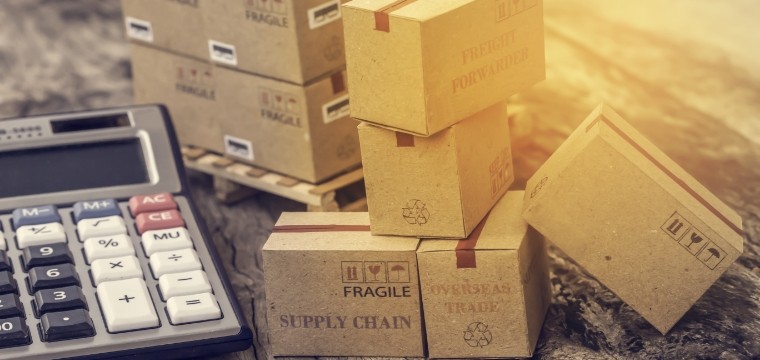
Over the past couple of years, prominent parcel carriers including FedEx, UPS and most recently the USPS have announced substantial rate increases, impacting shippers’ ability to control costs without raising prices for the end customer. However, delivery times are also being affected, translating to higher prices for slower deliveries. As shippers work to alleviate some of the financial burden while maintaining service levels for customers, a number of factors must be considered in order to navigate these issues effectively.
As parcel spend increases, so does the complexity of shipping, making it critical for companies to understand how to create competitive advantage amid a constantly changing environment. In the 2025 Parcel Shipping Intelligence Market Survey Report released by Reveel, a survey of 150 supply chain leaders found that logistics costs account for up to 20 percent of operational spend for nearly 70 percent of respondents. This means it is critical for companies to ensure they are keeping costs under control without impacting growth.
Why Do Rates Continue to Increase?
A number of factors are contributing to rising rates. With the Teamster’s Union strike, UPS agreed to substantially increase pay rates for workers and imposed shipping rate hikes to cover the costs, with FedEx and USPS increasing their own rates shortly thereafter. Additional costs have been added due to fuel surcharges, labor shortages, high e-commerce demand and additional fees for oversized deliveries or those made during peak periods or within lower-volume areas, making it difficult for companies to accurately predict their parcel transportation spend with so many variable costs. Carriers have also become more vague in how they create their pricing strategies, often neglecting to report incremental changes to customers and further complicating their ability to control costs.
Unfortunately, as rates increase, so does shipping complexity. As companies work diligently to keep costs under control, their logistics planning and processes must be updated in order to minimize the impact on end customers, who increasingly expect deliveries within shorter timeframes (often same day or next day).
Shipping volumes also don’t appear to be subsiding anytime soon, as Reveel’s survey findings indicate that 100 percent of supply chain leaders expect volumes to increase or remain steady over the next year, with 87 percent anticipating growth. As more and more companies ship directly to consumers and utilize subscription services, volumes remain strong, with many companies also offering flexible return policies (leading to more shipments and a need for effective reverse logistics strategies to support them).
7 Tips to Help Control Costs
As companies look to mitigate rate increases without compromising on delivery times or service levels, a number of strategies can help to keep costs in check in the near and long term:
- Focus on carrier diversification: Building and utilizing a broader network of reliable carriers rather than relying solely on a few can help companies ensure they are getting the best rates possible for the service levels they require while mitigating financial risk. It also helps to protect against sudden rate hikes due to labor shortages, demand shifts, etc.
- Optimize packaging: With more carriers subtly tacking on additional fees based on package size or for deliveries made in lower-volume regions or during peak periods, costs can quickly get out of control. By optimizing packaging and using smaller boxes, less filler, and poly-mailers rather than boxes for small/non-fragile parcels, many shippers are able to secure better rates.
- Streamline back-office processes: Automation tools that help streamline processes and bill auditing can help to quickly identify instances of overcharging or billing errors, resulting in cost savings.
- Conduct regular contract negotiations: Meeting with carrier partners regularly to evaluate performance, understand rate changes and identify inefficiencies can give shippers leverage in the negotiation process. Working with a 3PL experienced in parcel freight can also help to secure desirable pre-negotiated rates.
- Utilize strategic warehousing locations: By identifying regions with higher volumes of customers and securing warehousing nearby, companies can save on transit costs and maintain optimal inventory levels.
- Consolidate shipments where possible: For customers with multiple shipments, working to consolidate them can reduce transportation costs and create economies of scale, often leading to better rates, lower handling fees and stronger negotiating power with carriers.
- Utilize zone skipping: Zone skipping allows shippers to transport higher volumes of packages to regional hubs and then utilize local delivery services to transport them to their final destination for better rates. It can also help to reduce delivery times for the customer.
Partner With the Right 3PL to Eliminate Parcel Pain Points
As parcel shipping becomes increasingly expensive and complex, companies don’t have to navigate the challenges alone. Partnering with a 3PL that is experienced in parcel shipping can help remove the guesswork, ensure companies get the best rates, keep customers happy and increase profitability.
At NXTPoint Logistics, we tailor solutions around your unique needs and goals. Rather than force-fitting a parcel strategy into a pre-formed logistics model, we listen to the needs, goals and challenges of our customers and develop custom solutions to improve efficiency and deliver satisfaction with every shipment.
Parcel shipping is complex, but it doesn’t have to be a burden. With the right cost-saving strategies and partner in place, companies can be confident that they are optimizing costs without compromising service.
To speak with an expert at NXTPoint Logistics about how we can help remove the pain and complexity from your parcel shipping strategy, reach out to us today.