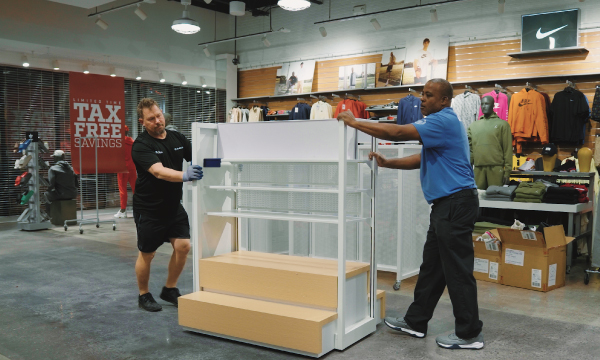
Remodeling Convenience Stores Without Disrupting Daily Operations
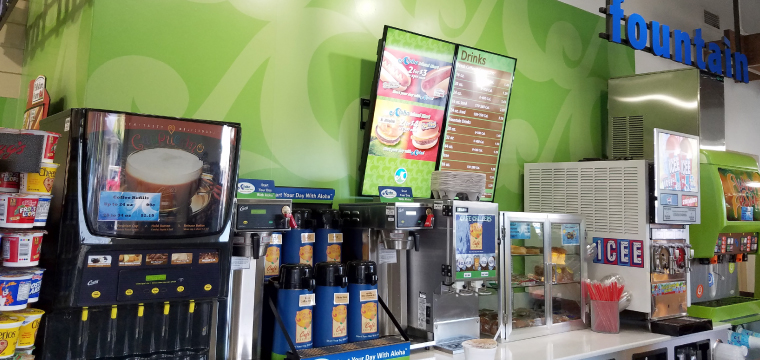
Convenience stores that are planning for remodels face a number of challenges, as their business models primarily rely on heavy foot traffic and fast transactions. Customers often seek quick snack, beverage and fuel purchases and restroom breaks, and due to the volume of customers on any given day, extended downtime due to store closures translates to lost revenue, which can compound quickly.
Though the remodeling process itself can seem daunting, strategic planning and the right support can create a seamless experience and minimize disruption while allowing convenience stores to continue serving their customers. By understanding the challenges and working to address them from the start, convenience store brands can create a strategic approach to store remodels that benefits their customers without major impacts to their operations.
The Challenges of Keeping It “Business as Usual”
Convenience stores face a number of obstacles when it comes to conducting seamless remodels, especially if they aim to keep their doors open to customers. Limited space due to their small size makes it difficult to keep operations running smoothly without impacting the flow of traffic, and high product density within these spaces can further complicate the process.
Many convenience stores are also open 24/7 and maintain continuous customer flow, making it imperative to conduct these projects in stages and on very tight timelines. Additionally, convenience stores need to have real-time visibility into inventory availability to prevent stockouts of popular items when limited storage is available.
Strategies to Minimize Disruption
In light of all of these challenges, the key to a successful remodel lies in effective planning of schedules, vendor/installer/delivery coordination and inventory availability throughout the process. Consider the following steps prior to undergoing a remodel to ensure your operations continue with as few interruptions as possible.
- Create a phased approach. Each section of the store can be broken down into zones (e.g., refrigerated items, walk-in coolers, check-out area, snack aisles, etc.) where work can be scheduled in stages rather than having to shut down the store completely.
- To minimize foot traffic disruption, identify high-priority SKUs and keep them conveniently located while reducing the quantity of less commonly purchased items. This can help ensure that customers can still access high-demand items when space is limited or when certain sections are closed off.
- Work with an experienced partner to coordinate schedules for vendors, deliveries and installations. Use off-peak hours or overnight hours to complete more extensive modifications to limit the impact on foot traffic.
- Order high volumes of popular items and store excess inventory at a nearby off-site warehousing facility for just-in-time deliveries. This can help to ensure popular products remain available to customers without taking up unnecessary space in the store. Inventory or materials can also be staged at a nearby distribution center to assist with timely deliveries and installations.
Don’t Miss a Beat
For convenience stores looking to continue operations while completing a remodel, flexibility, just-in-time deliveries and carefully coordinated installations are critical to prevent disruptions to customers. Because time is of the essence — and because there is no room for error when completing these complex projects — having an expert 3PL partner can remove the stress and complexity by providing expert coordination of shipments, vendors, contractors, site managers and installers while providing visibility throughout the process.
NXTPoint Logistics has extensive experience in successful completion of convenience store remodels. Our experts work with brands to create customized solutions to meet their needs, goals and schedules, all designed to minimize disruptions to customers and operations while preventing lost revenue due to closures, damaged items and more. For a deeper dive, take a look at our recent case study that details how we partnered with Circle K to upgrade multiple stores with no missed deliveries, lost pallets or damaged merchandise.
Store remodels can be stressful, but with the right partner, companies can be confident that these projects will be successfully executed while minimizing the impact on their customers, operations and revenue.
If your company is planning a store remodel, our experts would love to discuss how we can bring organization and structure to these time-sensitive projects. Contact our experts today to learn how we can customize a solution to meet your needs.