The True Cost of Fragmented Logistics in Multi-Market Projects

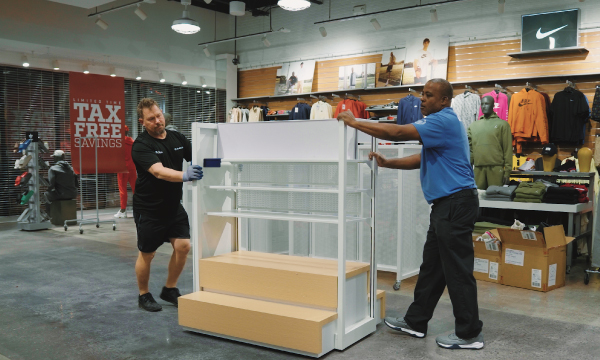
For brands looking to complete store openings, closures, refreshes and complete remodels — particularly restaurants, retailers and convenience stores — the furniture, fixtures and equipment (FF&E) logistics and project management behind them are not for the faint of heart. These projects involve multiple variables that must be expertly coordinated, including vendors, carriers, installers, contractors and site managers, all of which operate on different schedules and sometimes have competing areas of focus. Lack of proper coordination can be detrimental for a single location, but it quickly becomes overwhelming when completing multiple projects across different markets.
These brands tend to rely on customer volume. During these projects, time is money, and delays directly translate into lost revenue, which can result in missed budgets and disappointed customers. Because these issues are compounded during multi-market projects, brands looking to execute them successfully need to plan for the challenges upfront to ensure they flow seamlessly.
Understanding the Disconnects
Coordinating multi-market FF&E projects requires significant pre-planning and project management to ensure proper communication, schedule adherence and visibility from start to finish. With multiple vendors and suppliers shipping independently, it’s critical that deliveries arrive at the right time, as space is often limited during store openings and remodels, and congested work sites could lead to project delays. If space is unavailable on site for a mistimed delivery, companies may have to invest in additional warehousing or storage space if it is not secured in advance. Lack of visibility or communication about milestones can also lead to inconsistencies in execution.
If work sites aren’t ready or deliveries are made at the wrong time, projects can easily be derailed, resulting in delays, disappointed customers and often added costs. For example, late shipments often lead companies to pay for expedited shipping to offset timing issues, in addition to fees for storage and additional delivery attempts for shipments that can’t be stored on site. They may also result in companies needing to rely on more costly LTL usage due to missing out on opportunities for consolidated full truckload shipping.
The Impact on Brands and Customers
The consequences of inadequate FF&E coordination are felt on an operational level as well, as missed deadlines can result in idle labor, site congestion and communication breakdowns across all stakeholders that need to stay informed. Mistimed deliveries can also necessitate more touchpoints, which increases the risk of damage to shipments while creating greater administrative burden on the back end, especially if no centralized tracking or reporting is available.
Inconsistent execution and lack of standardized handling and coordination can also create a stressful and chaotic scenario for brands, particularly if they are overseeing these projects across a number of locations locally, regionally or nationally. While the immediate operational impacts are significant, any delayed openings, incomplete spaces or negative customer experiences may result in reputational damage to a brand as well.
The Benefits of a Centralized Strategy
Working to coordinate these complex projects through a single partner is the best way to ensure success, efficiency and consistency across all markets. An experienced FF&E partner will understand the nuances of working with multiple stakeholders and can help to mitigate potential risks and issues from the start.
Rather than having multiple fragmented teams involved in the planning and logistics management processes, companies should have a single source with whom they can collaborate around key project elements, such as consolidation strategies to reduce freight costs, establishing warehousing at nearby locations, scheduling deliveries and installations, creation of standardized processes for quality control, and maintaining visibility through every stage of the project. They can also help to establish a cadence for updates and preferred channels of communication for any unexpected issues that arise while ensuring that all parties remain informed every step of the way.
View Recent Case Studies

Removing Complexity
FF&E projects come with a level of complexity that is critical to understand and manage from the start to execute successful store openings and remodels. Fragmented logistics can create avoidable risks and costs for companies that do not understand how to properly navigate them, but partnering with an experienced 3PL can eliminate those risks and ease the burden associated with managing these projects.
By working with a partner like NXTPoint Logistics to centralize operations, manage communications and ensure timeliness of orders, deliveries and installations, companies can streamline the process and ensure these important projects remain on track. We have more than a century of experience in creating customized solutions for customers that are tailored to their needs and designed to meet their unique goals. From retail stores and restaurants to convenience stores, we have worked with some of the most well-known brands in the world to streamline the communications, operations and logistics behind complex multi-market projects to deliver real results that drive success for our clients while allowing them to focus on what matters most.
Before your next multi-market FF&E project, it’s critical to evaluate your logistics strategy to mitigate potential risks and unnecessary costs from the start. For assistance reviewing your current approach and determining where gaps may exist, contact our experts.