Final Mile Failures: Why Oversized Deliveries Go Wrong
With spring in full swing and summer rapidly approaching, companies are seeing a surge in orders for large outdoor living items such as patio furniture, grills, fire pits, playsets and more as customers prepare to enjoy the warmer weather. While the final mile is the most complex, costly and important stage of the buyer journey for all deliveries, it is especially critical for large, bulky shipments, which come with greater risk of damage or mishandling due to their size and weight. When deliveries go wrong, companies not only risk added costs and operational impacts due to returns and reverse logistics, but they also risk damaging their brand reputation.
The good news is that most delivery failures are predictable and preventable when companies have the right strategy from the start. In this blog, we break down the unique challenges of deliveries for large shipments and how companies can work to prevent issues from the start to ensure a seamless experience for their customers.
Why Oversized Shipments Have Greater Risk
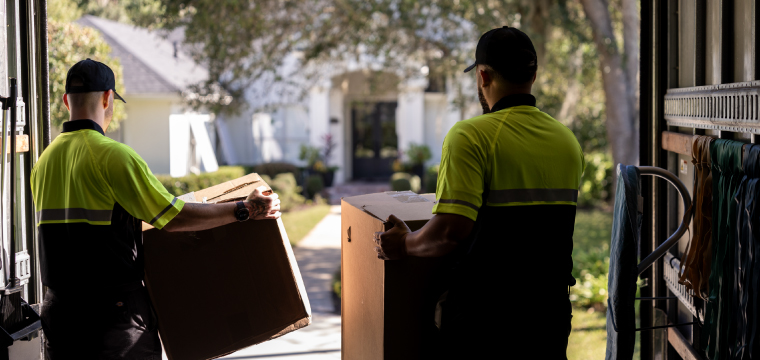
Large, bulky deliveries inherently come with a number of challenges that should be considered in advance to prevent issues before they occur. The sheer dimensions and weight constraints of large items make it imperative to have experienced teams and proper equipment in place to ensure items are carefully loaded, unloaded and delivered to their final location. In addition, teams may face residential limitations such as gates, narrow driveways and uneven walkways or terrain when delivering items, which can complicate the delivery process and further increase the risk of damage. These items also typically require the customer to be present to instruct teams about where to place items and provide signatures upon delivery.
The financial, operational and reputational impacts of failed delivery attempts, returns and labor can quickly add up, making it critical for companies to ensure items are delivered successfully the first time. Below we highlight the top causes of failed deliveries for large items and how companies can work to avoid them from the start.
• Inaccurate or incomplete delivery information: Missing gate codes, incorrect addresses, narrow access points, gated communities with restricted entry times, inaccessible backyards or installation sites, and lack of site details about stairs or other obstructions can result in failed attempts and redelivery costs, so it’s important for teams to have as much information as possible prior to the delivery. To accomplish this, teams should conduct pre-delivery evaluations or questionnaires to get as much information as they can about the location in advance. This can help to prevent failed deliveries due to lack of details upfront and ensure that teams are equipped with the proper delivery vehicle and tools needed for a successful delivery.
• Poor appointment scheduling and communication: Lack of communication or confirmation of appointment times can prevent deliveries from taking place, leading to wasted time, added costs and frustrated customers. Real-time updates and automated scheduling systems can help to ensure appointments are made and confirmations and reminders are sent to customers. Two-way communication systems are also important to make sure customers have a way to notify teams in the event that any unexpected issues arise that would interfere with the delivery.
• Damage during transit or handling: The more touchpoints that are involved, the higher the risk for damage, particularly when it comes to oversized items. Improper packaging and lack of expertise or specialized handling equipment for these items can also result in preventable damage to goods. To minimize the potential for issues, teams should set and enforce packaging standards, train delivery teams specifically around the requirements for bulky shipments and monitor shipment conditions at each transfer point to ensure no damage occurs.
• Customer not present or unprepared: Oversized deliveries often include assembly, installation, signature confirmation and other white glove or value-added services that require the customer to be present. Additionally, areas with obstructions that aren’t moved in advance or customers being unaware of delivery requirements in advance can derail successful deliveries. Providing clear pre-delivery instructions and checklists with reminder notifications can help to ensure customers are present and prepared when delivery teams arrive.
• Returns or refusals at the doorstep: Products that fail to meet customer expectations or show signs of visible damage often lead to immediate rejection of the deliveries, resulting in costly returns and reverse logistics processes. By showing accurate product descriptions and visuals, companies can help to manage customer expectations around the items they order. In addition, they can opt to have teams perform quality control inspections and deluxing services to confirm the condition of items prior to delivery and provide an opportunity to make small repairs where needed to prevent item refusals and returns.
Ending on a High Note
For companies looking to create positive delivery experiences for customers, it’s important to remember that being prepared means working with the right partner to set expectations and implement quality standards from the start. While many companies claim to offer final mile home delivery services, having the service does not equate to performing it well, and this is especially true for large, oversized items like outdoor equipment. Teams should be trained in the handling, assembly, installation and placement of items to ensure consistent service levels, and companies should be clear about their needs and expectations upfront when working to identify the right partner.

In addition to having the expertise needed for large deliveries, companies should look for providers with a nationwide network of specialized carriers, white glove and value-added services, and a focus on proactive communication and delivering quality customer experiences. The provider should also be able to demonstrate that they have integrated technology to track deliveries and provide updates to keep everyone informed every step of the way. This can help to detect issues early and inform all parties of potential issues before they derail the delivery.
In the final mile, most delivery failures result from preventable mistakes, but working with the right partner and being proactive about setting standards and expectations from the start can help transform the final mile from a cost center into a competitive advantage. If your company is looking to evaluate the performance of your current provider or onboard a new one, our complimentary Executive Guide includes key questions to ask and areas to evaluate to help ensure you select the best partner to meet your needs and deliver exceptional experiences for your customers.
To learn how NXTPoint Logistics works to create exceptional delivery experiences for large, bulky items, click here to connect with our experts.